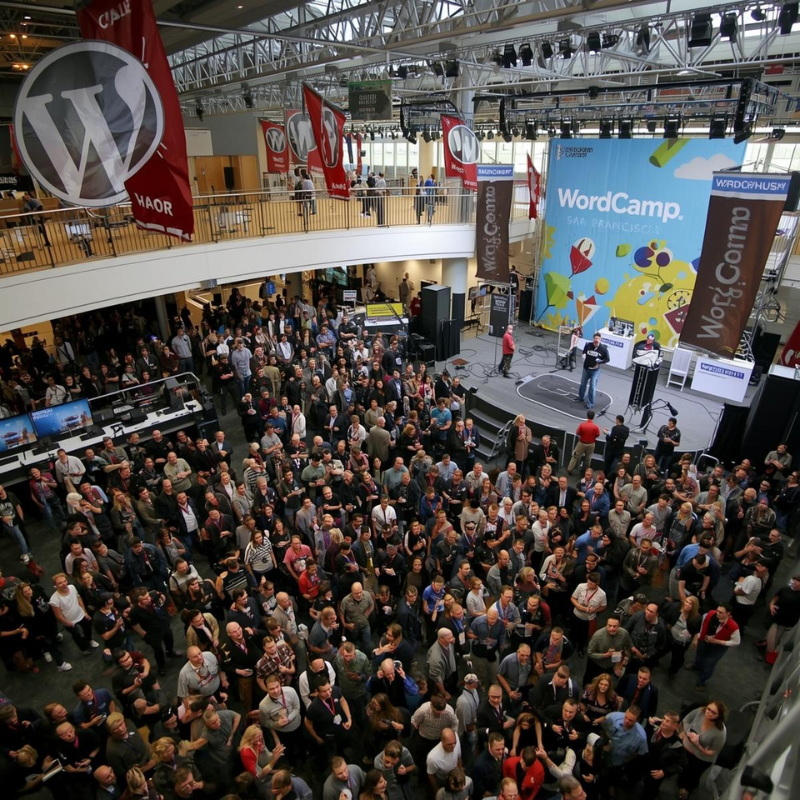
WordCamp 2012 – San Francisco
WordCamp 2012 San Francisco took place August 7 and I was able to attend the streaming edition of the Camp. I purchased a ticket when they first became available and unfortunately as it turns out, was unable to attend in person so this was the next best thing. Naturally the most exciting presentation was the “State of the Word” by Matt Mullenweg. He did a great job walking us through the latest features of the software. I particularly enjoyed when he discussed the results of a study about how WordPress is being used and by whom.
He had a diagram of the types of clients (not developers) who use WordPress. The largest segment of clients for WordPress sites are small business and individuals. The second group was non-profit, government, and education. I encourage you to visit the link below to watch that presentation at WordPress.tv. One thing I will mention is that the study found that 66% of responded used WordPress as a CMS. That is no surprise to me.
Here are some of the sites he made reference to in the presentation.
- Bruce Springsteen
- The Rolling Stones
- Breaking Bad
I highly recommend you watch State of the Word on WordPress.tv
[divider]Here is his slideshare presentation
The Core Experience: More Than Just Sessions
While the WordCamp 2012 schedule was packed with valuable content, the true magic was in the connections. The format was classic but effective:
- Keynotes & Core Talks: The stage was set by the leaders of the project. Matt Mullenweg’s annual address was a must-see, outlining the vision for WordPress 3.5 (which would ship later that year) and the philosophy driving the open-source project. The room was silent, hanging on every word about the future of the platform.
- The “Hallway Track”: Experts and beginners sat side-by-side on the floor, laptops open, solving problems. A developer from Norway helped a blogger from Texas with a plugin conflict. A theme designer gave feedback on a site in progress. This organic, peer-to-peer learning was arguably the most valuable part of the entire weekend.
- Contributor Day: Before the official conference began, the true devotees gathered for Contributor Day. This was where code was committed, documentation was written, support forums were manned, and designs were sketched. It was the engine room of WordPress, and anyone could pull a lever.
- The Social Fabric: From the official after-party to the numerous unofficial meetups at nearby pubs and restaurants, the social glue was strong. It reinforced that WordPress is a community product, built by and for people.
Session Highlights: A Glimpse at WordCamp 2012 Agenda
The breadth of topics was staggering, catering to every conceivable WordPress user. Some recurring themes included:
- The New Media Manager: With WordPress 3.5 on the horizon, huge buzz surrounded the completely redesigned media library and the long-awaited HTML5 media player.
- Responsive & Mobile: The “mobile-first” conversation was in full swing. How do you build themes and sites that worked on the burgeoning array of smartphones and tablets?
- Beyond the Blog: Using WordPress as a full-fledged CMS for business, nonprofits, and complex publishing sites was a hot topic.
- Performance & Security: As sites grew, so did the need for speed and safety. Sessions on caching, best practices, and hardening installations drew large crowds.
- The Business of WordPress: A thriving ecosystem of agencies, freelancers, and product creators had their own track, discussing pricing, client management, and selling plugins/themes.
Why WordCamp SF Was the Mecca
For anyone serious about WordPress, WCSF was the event. Here’s why:
- Critical Mass of Talent: You could bump into a core contributor, a renowned theme developer, a popular plugin author, or a savvy marketer—all in one hallway.
- First Look at the Future: Roadmaps, alpha features, and heated debates about the project’s direction happened here first.
- Validation & Belonging: For solo developers or small agencies, it was a powerful reminder that you were part of a massive, supportive, and innovative global movement.
- Practical Takeaways: Even the most theoretical session had a “how-to” element. You left with code snippets, plugin recommendations, and a notebook full of ideas.
- Renewed Passion: It’s easy to get stuck in your own bubble. Being immersed in the community’s enthusiasm was the ultimate antidote to burnout.
Related Posts




A quick overview of the topics covered in this article.